Confirmed Speakers
15 Speakers
Talk titles and abstracts will be announced closer to the event.
Click on any speaker card to view details.

Barna Saha
UC San Diego (CSE & HDSI)
Theoretical Computer Science · Algorithms
Title TBA

Bodhisattwa Majumder
Allen Institute for AI (Ai2)
NLP · Scientific Discovery · Interactive Agents
Title TBA

Kaushik Roy
Purdue University
Neuromorphic Computing · ML Hardware · Energy-Efficient AI
Title TBA

Srijan Das
UNC Charlotte
Computer Vision · Video Understanding · Action Recognition
Talk Announced

Tuhin Chakrabarty
Stony Brook University
NLP · Human-AI Interaction · Creative AI
Title TBA

Tamalika Mukherjee
Max Planck Institute for Security & Privacy
Differential Privacy · Theoretical Computer Science
Title TBA

Tanu Mitra
University of Washington
Computational Social Science · Misinformation · Human-AI
Title TBA

Vinod Prabhakaran
Google Research
Responsible AI · Fairness · NLP · Sociotechnical Systems
Title TBA

Aaditya Ramdas
Carnegie Mellon University
Statistics · Machine Learning · Sequential Testing
Talk Announced

Sreenivas Gollapudi
Google Research
Algorithms · Graph Neural Networks · Online Learning
Title TBA

Abhimanyu Das
Google Research
Machine Learning · Time Series · Graph Learning
Talk Announced

Rit Pratik Mishra
Pfizer
Machine Learning , material science, biotherapeutics, electric vehicle charging networks
Talk Announced
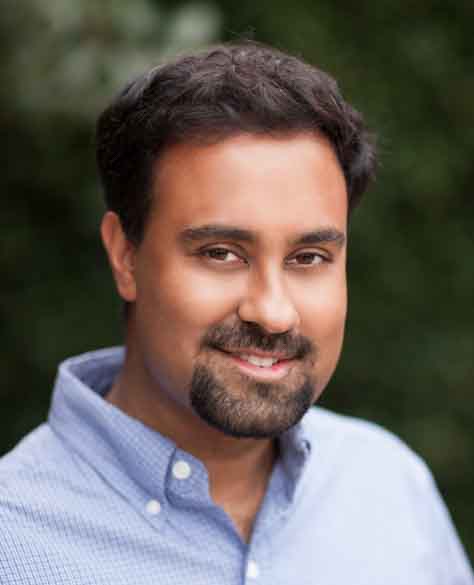
Surya Ganguli
Stanford University
Artificial Intelligencen, Theoretical Neuroscience
Title TBA
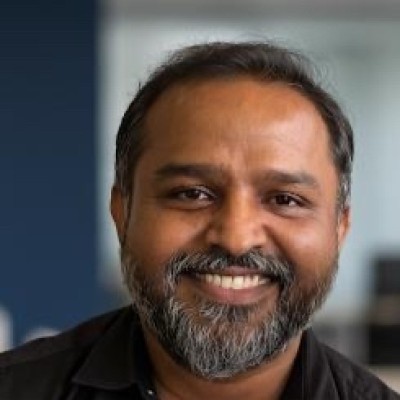
Jeba Kumar
Pfizer
AI/ML in data analytics, enhancing quality, reducing manual effort, and driving efficiency in drug development
Talk Announced
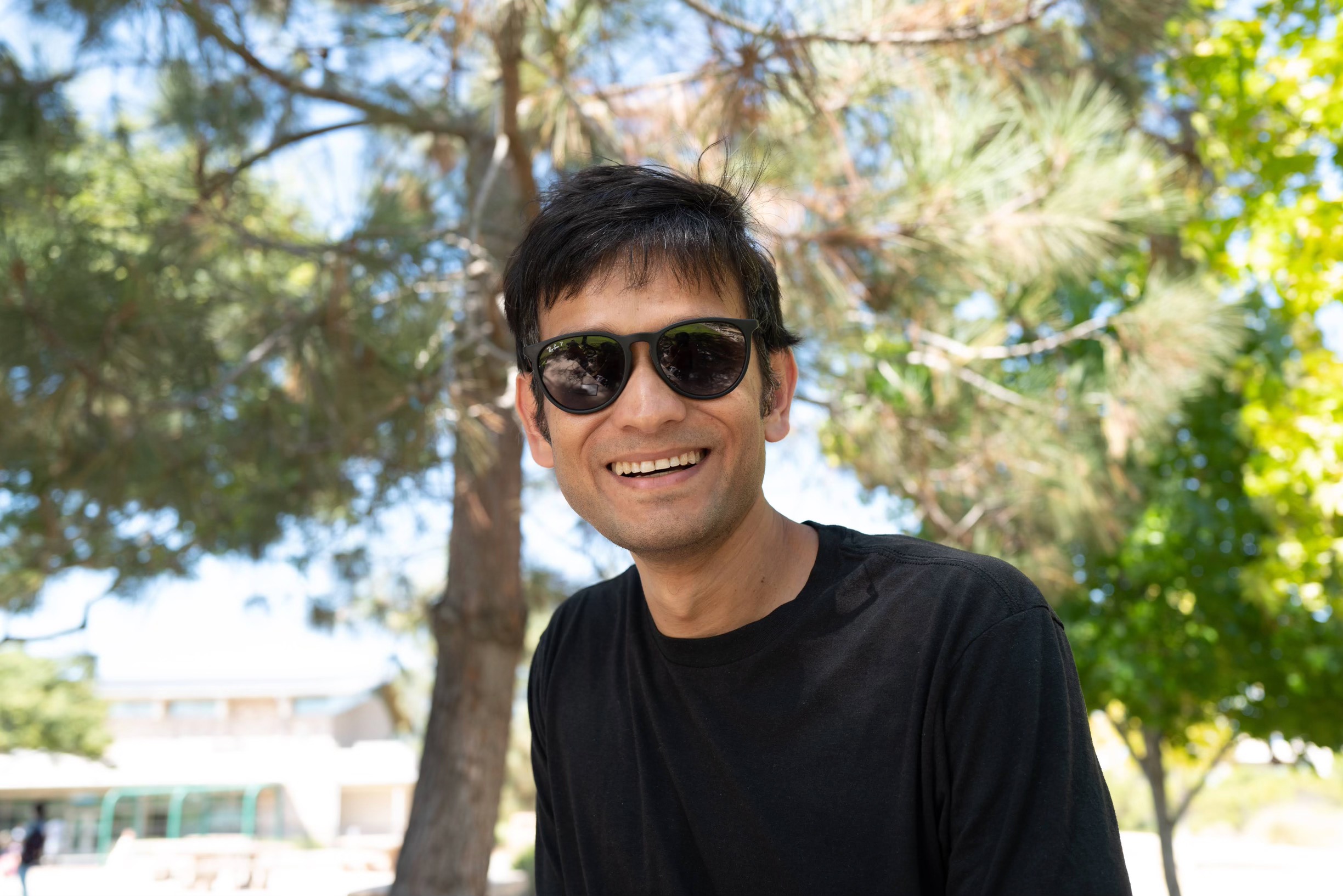
Arya Mazumdar
University of California San Diego
Algorithmic and statistical aspects of machine learning, error correcting codes, optimization and signal processing
Title TBA